
Best Paints for Steamy Bathroom Ceilings That Won’t Peel
The best paint for steamy bathroom ceilings resists mold, moisture, and peeling even in unventilated spaces. Use a mold-blocking primer and a high-humidity paint like Benjamin Moore Aura Bath & Spa or Zinsser Perma-White for lasting, steam-tolerant protection that truly performs.

Is your bathroom ceiling peeling, bubbling, or stained with mold?
Bathrooms are battlegrounds for moisture. Hot showers turn small spaces into steam chambers, and without the right paint, your ceiling doesn’t stand a chance.
So what’s the best paint for a steamy bathroom ceiling?
You need a paint specifically engineered to resist humidity, prevent mildew, and stay put even in unventilated, high-moisture environments. It depends on your bathroom layout, ceiling height, ventilation (or lack thereof), and the quality of your prep work.
In this guide, we’ll break down:
Why most paints fail in bathrooms (even ones labeled “bathroom-safe”)
What ingredients and technologies actually keep ceilings mold-free
Which paints perform best in real-world steamy conditions
What to avoid, especially if you’re hiring a pro or DIY’ing
Why ceiling prep is just as important as the paint itself
You’ll also hear insights straight from the field, from customer issues like mold returning months after a “renovation,” to lessons learned from low ceilings and long showers. And by the end, you’ll know exactly what paint to use, how to use it, and when it’s time to call in help.
Let’s protect your ceiling, and your peace of mind, from the inside out.
Why Steam Destroys Most Ceiling Paints

If you’ve ever repainted a bathroom only to see peeling paint or mildew return within months, it wasn’t just bad luck, it was chemistry. Steam is relentless, and most ceiling paints simply aren’t designed to handle it.
How Steam Affects Latex, Flat, and Even “Bathroom” Labeled Paints
Let’s start with a common misconception: just because a paint says “interior” or even “bathroom” on the label doesn’t mean it’s ready for the realities of steam.
Most latex paints, even premium ones, have limited resistance to moisture vapor. When steam rises during a hot shower, it condenses on cooler surfaces like the ceiling. Over time, this moisture seeps into the paint film, weakening its bond with the surface. Flat paints, in particular, are vulnerable because they’re more porous. Moisture finds its way in, and what follows isn’t pretty: swelling, softening, and, eventually, bubbling and peeling.
Even some so-called "bathroom paints" are just rebranded interior formulas with slightly more sheen. Without true moisture-blocking agents or mold inhibitors, they’re just as likely to fail.
The Science Behind Bubbling, Cracking, and Peeling
Paint is a film that must stretch, seal, and breathe. When steam repeatedly penetrates that film, it causes expansion and contraction cycles. That’s what leads to:
Bubbling, from trapped moisture between coats or behind the paint film
Cracking, due to thermal stress from fluctuating humidity
Peeling, when the adhesive bond finally gives out
These failures happen faster in bathrooms with lower ceilings or poor airflow, where moisture lingers longer and has nowhere to escape.
Why Poor Ventilation Makes It Worse
A well-functioning exhaust fan can reduce, but not eliminate, moisture. In many older homes or apartments, fans are underpowered, broken, or nonexistent. Without ventilation, steam accumulates on ceilings, soaking into paint and any cracks or unsealed joints.
Even high-end paints will struggle if ventilation is not just about what you put on your ceiling, it’s also about the environment it’s exposed to.
Long showers, low ceilings, and poor airflow can be a brutal combo, but with the right approach, paint doesn’t have to be the weak link.
The 3 Paint Properties That Matter Most in Steamy Bathrooms
When it comes to protecting your bathroom ceiling from constant humidity, random paint won’t cut it. You need a product built for performance in extreme moisture, specifically one that delivers three essential features: mold resistance, steam tolerance, and strong adhesion.
Let’s break down each one.
Mold & Mildew Resistance (Non-Negotiable)
Mold is a health hazard. That’s why the first line of defense in any steamy bathroom is paint that includes anti-microbial additives designed to actively kill mold spores and prevent future growth. These ingredients are usually EPA-registered and can keep mildew at bay even in unventilated spaces.
But mold resistance doesn’t begin with the paint, it starts with what’s underneath it.
Primer vs. Paint vs. Combo Products
Dedicated mold-resistant primers (like Kilz or Aqua Lock) seal porous surfaces, create a moisture barrier, and promote better topcoat adhesion.
Bathroom-specific paints may include mildew-fighting properties, but they don’t always eliminate the need for a primer.
Paint + primer in one? Often more of a marketing phrase than a functional shortcut. Especially in bathrooms, layering is safer.
Moisture & Steam Tolerance
What separates an ordinary interior paint from one that survives years of daily steam? The answer: hydrophobic chemistry and steam permeability control.
While many paints claim to be “water-resistant,” few actually repel water or allow vapor to escape without damage. Look for paints that specifically mention:
Moisture resistance or hydrophobic properties
Formulas designed for high-humidity environments
Steam tolerance or “bathroom-safe” performance
Some paints contain additives that cause water to bead up and roll off, keeping ceilings dry even after long showers. These products drastically reduce mildew growth, as standing moisture is the primary fuel for mold.
Paint elasticity allows the film to expand and contract without cracking, especially in areas with temperature swings.
Adhesion & Surface Prep Compatibility
Even the best bathroom paint will fail if it can’t bond properly to the surface beneath it. This is especially true on ceilings that have been patched, skim coated, or repaired with joint compound.
Pro Tip: If you’re painting over old popcorn texture or patched drywall, sand it flat, clean thoroughly, and apply a mold-killing bonding primer before your topcoat.
Types of Paints to Avoid in Bathrooms (Yes, Even If Labeled 'Ceiling Paint')
Just because a paint says “ceiling” on the label doesn’t mean it belongs in your bathroom. In fact, many ceiling paints are specifically formulated for dry, low-humidity areas, which makes them a terrible fit for steamy bathrooms. The mistake? Assuming all ceiling paints are created equal.
Why Standard Flat Ceiling Paints Are Not Enough

Traditional ceiling paints are flat for a reason: they hide imperfections and diffuse light evenly. But flat finishes are also more porous, meaning they readily absorb moisture from steam.
In a bathroom, this leads to:
Rapid mildew growth
Softening and sagging paint film
Stains that bleed through and reappear
Unless the ceiling paint explicitly states it's mold- and moisture-resistant, it's likely not equipped to survive daily exposure to condensation.
The Myth of “Paint & Primer in One” (and When It Backfires)
You’ve seen the cans: “No primer needed!” “Paint & primer in one!”
It sounds like a shortcut, but here’s the truth: most of these products are great for drywall in a bedroom, not so much for a bathroom ceiling.
Here’s why:
They lack mold-inhibiting properties found in specialty primers
They don’t bond well to joint compound or previously painted glossy surfaces
They offer less control over layer thickness, which matters when sealing against steam
In bathrooms, skipping a separate primer often leads to bubbling or peeling, especially if there’s any existing moisture damage or unsealed compound underneath.
Glossy vs. Matte: Why Sheen Doesn’t Always Equal Protection Anymore
For decades, semi-gloss or high-gloss was the default recommendation for bathrooms. The logic? Glossier finishes resist moisture and are easier to wipe clean.
That used to be true. But modern paint technology has evolved.
Today’s matte and eggshell bathroom paints offer:
Comparable moisture resistance
Washable finishes without the glare
A smoother look that hides imperfections
Glossy paint still has a place, particularly for trim and tile-adjacent surfaces, but for ceilings, it often exaggerates flaws and can look harsh in artificial lighting.
What to Avoid in Your Bathroom Ceiling Paint:
Basic flat ceiling paint without moisture protection
“Paint and primer in one” not specifically rated for high humidity
Cheap contractor-grade paints that lack mildew-blocking additives
High-gloss paint if your ceiling isn’t perfectly smooth
When it comes to paint for steamy bathrooms, performance beats marketing every time. Don’t rely on the label, check what’s in the can.
The Best Paints for Steamy Bathroom Ceilings (2025 Edition)
If you're tired of trial-and-error or watching your bathroom ceiling peel like an onion, it's time to get specific. The best paints for steamy bathrooms combine mold resistance, moisture protection, and long-term durability, all backed by real-world use, not just labels.
Here are the top paints professionals (and smart homeowners) rely on to win the war against steam.
Benjamin Moore Aura Bath & Spa (Matte Finish)

Why it's a standout:
Benjamin Moore’s Aura Bath & Spa is a rare breed: a matte finish paint that performs better than many high-sheen options. Engineered with proprietary Color Lock® technology and mold-resistant ingredients, it resists moisture penetration while maintaining a soft, elegant appearance, perfect for ceilings where glare can exaggerate imperfections.
Why matte is okay here:
Thanks to advancements in resin blends and additives, this paint beads water and wipes clean without needing gloss. You get moisture resistance without the shiny, plastic look many homeowners dislike.
Best used with:
A dedicated mold-resistant primer like Kilz or Aqua Lock, especially on previously damaged or skim-coated ceilings.
Zinsser Perma-White Mold & Mildew-Proof Paint

Why it’s unique:
This is a mildew-fighting system. Zinsser Perma-White is a self-priming, mold- and mildew-proof interior paint that dries from pink to white, making it easy to track coverage and avoid missed spots, especially useful on ceilings.
Great for:
DIYers who want a mold-proof product without needing to buy separate primers.
Bonus:
It bonds well to drywall, previously painted surfaces, and even bare plaster without peeling when applied correctly.
Behr Premium Plus Ultra (Satin or Semi-Gloss)

Why DIYers like it:
Behr’s Premium Plus Ultra line is a budget-friendly favorite available at Home Depot, with broad color options and decent mold resistance in its satin and semi-gloss variants. While not as moisture-durable as the others listed here, it holds up well with proper prep and priming.
Pros:
Accessible and affordable
Easy to apply with decent coverage
Low odor and low VOC formula
Cons:
Less durable than Aura or Zinsser over time
May require more frequent touch-ups in unventilated baths
Great for:
Budget-conscious homeowners repainting a guest bath or a ceiling in a well-ventilated bathroom.
Sherwin-Williams Duration Home or Emerald
Why it's pro-grade:
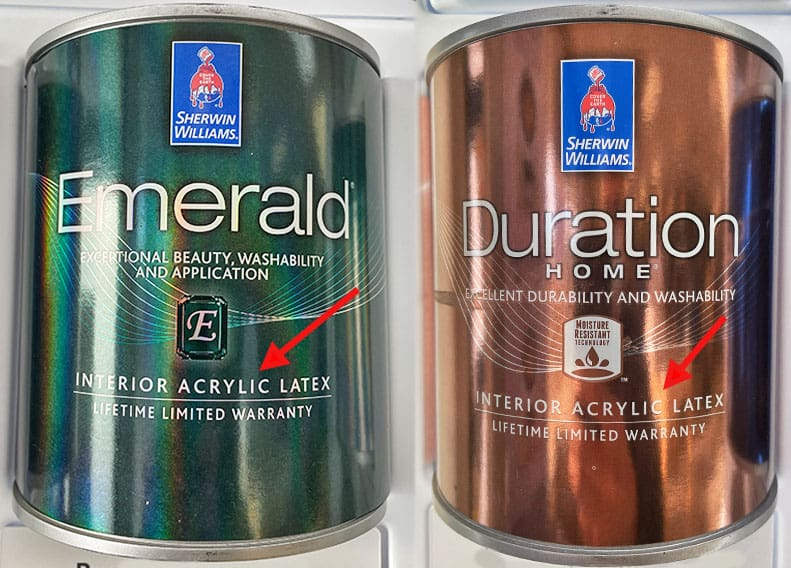
Sherwin-Williams Duration Home and Emerald are high-end interior paints with built-in antimicrobial protection, making them ideal for steam-prone bathrooms. Duration Home is slightly more affordable, while Emerald offers premium durability and stain resistance.
Both include:
Moisture- and mildew-resistant finishes
Washable surfaces that don’t fade or dull
Low VOCs and excellent coverage
How they compare to Benjamin Moore Aura:
Cost: Aura is typically priced between Duration and Emerald
Finish: Aura offers matte that resists moisture, while Duration/Emerald lean toward satin or eggshell
Durability: All three perform at the top tier for steamy environments when properly applied
Ideal for: Long-term homeowners who want low-maintenance, professional results, and are willing to invest in it.
Quick Take: Which Paint Should You Choose?
Best all-around: Benjamin Moore Aura Bath & Spa – especially for low ceilings and design-conscious spaces
Best DIY one-can solution: Zinsser Perma-White – especially if you want mold protection without buying primer
Best on a budget: Behr Premium Plus Ultra – solid value with satin durability for lighter moisture
Best for luxury durability: Sherwin-Williams Emerald – a professional-grade solution with staying power
When it comes to your bathroom ceiling, don’t just choose what’s available, choose what will last.
What Finish Should You Use on a Steamy Bathroom Ceiling?

For years, conventional wisdom said you needed semi-gloss or high-gloss paint in bathrooms to fight off steam. Why? Because glossier finishes were thought to repel water better and offer easier cleaning. But that rule was written before modern paint chemistry changed the game.
Today, matte finishes are often preferred, especially for bathroom ceilings.
The Evolution of Paint Technology: Why Matte Is Finally Safe
Thanks to breakthroughs in resin formulation, companies like Benjamin Moore and Sherwin-Williams have developed matte paints with moisture resistance, mildew inhibitors, and washability that rival or outperform semi-gloss alternatives.
Paints like Benjamin Moore’s Aura Bath & Spa use advanced polymers that create a tight, durable film on the surface, without the shine. The result? A low-sheen finish that:
Resists water intrusion
Doesn’t support mold growth
Looks smoother and hides surface flaws
This is a game-changer for bathrooms with imperfect ceilings, where glossy paint can highlight every uneven patch or past repair.
Will Matte Paint Be Harder to Clean If Mildew Appears Later?
This is a valid concern, and one that older generations of paint would’ve failed to address.
But today’s bathroom-specific matte paints are engineered to be washable and scrub-resistant. Aura Bath & Spa, for example, holds up under cleaning without chalking, peeling, or color fading. Even if mildew forms due to poor ventilation, it can be wiped away with a mild cleaning solution and a soft cloth.
Pro Tip: To ensure maximum cleanability, pair your matte topcoat with a mold-resistant primer underneath. This two-layer protection system gives you both durability and flexibility, even if the ceiling faces the occasional cleaning cycle.
What Finish Should You Actually Use?

Matte or eggshell: Ideal when using premium bathroom-formulated paints (e.g., Aura Bath & Spa, Zinsser Perma-White)
Satin or semi-gloss: Still a valid option for older paints or where maximum scrub-resistance is needed
Flat ceiling paint: Never, unless it’s labeled mildew-resistant and made for humid environments
The bottom line?
Finish matters, but formula matters more. If your paint is specifically engineered for bathroom use, matte is often the smartest choice.
Real-Life Scenarios: Choosing the Right Paint Based on Your Bathroom
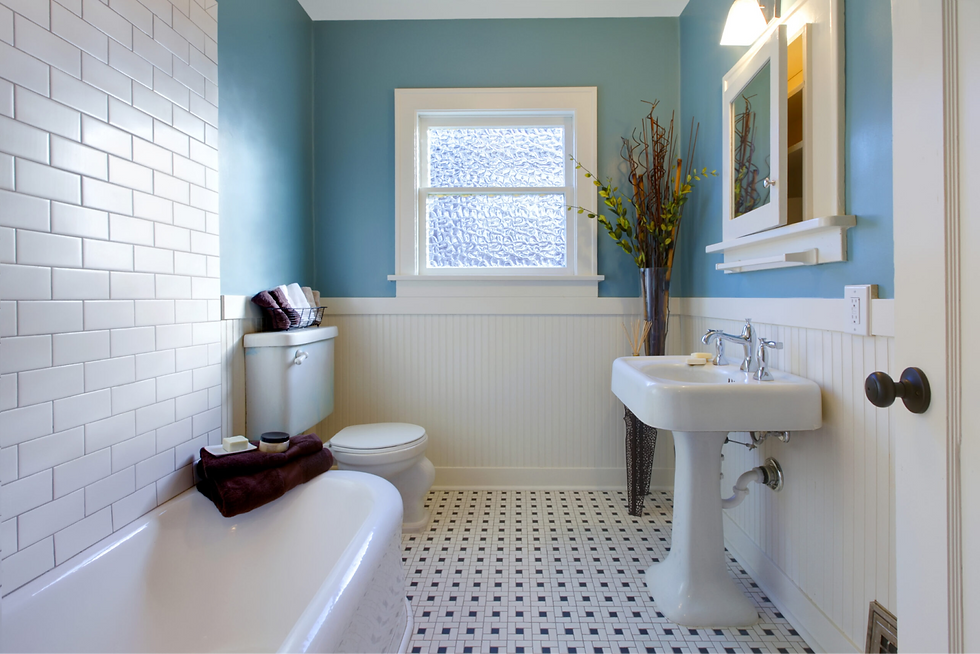
Not all bathrooms are created equal. Your ideal paint choice depends heavily on your layout, ceiling height, ventilation, and even who uses the bathroom. Below are four common scenarios and exactly what kind of paint setup works best for each.
Scenario 1: No Windows, Weak Fan
In bathrooms with poor ventilation and no natural airflow, steam has nowhere to go, and mold thrives. These rooms are notorious for mildew-streaked ceilings, even if you’ve painted recently.
Most common mold problems:
Steam condenses quickly on ceilings
Lingering moisture feeds mildew
Musty smells even after cleaning
Your paint solution:
Start with a mold-killing primer like Kilz Mold & Mildew or Aqua Lock
Top it with a bathroom-specific matte acrylic paint like Benjamin Moore Aura Bath & Spa or Zinsser Perma-White
Ensure the fan is functional, or install a humidity-sensor version to trigger airflow automatically
Even the best paint won’t save you if moisture is trapped daily, ventilation is a key part of the fix.
Scenario 2: Low Ceiling Above Showerhead
This setup creates the worst-case scenario for ceiling paint: steam hitting surfaces within seconds, often before the paint has even dried after a shower. In these bathrooms, steam doesn't rise, it smacks the ceiling directly.
Your paint solution:
First, skim coat and sand to create a smooth surface
Apply two coats of mold-resistant primer (yes, two, especially over joint compound)
Use a water-repellent acrylic matte, such as Aura Bath & Spa, which resists both moisture and glare
Bonus tip: Consider installing a plastic ceiling panel above the showerhead to reduce direct impact on painted surfaces if this is a chronic issue.
Scenario 3: Tenant or Airbnb Bathrooms
Rental bathrooms are high-traffic zones where longevity and durability matter more than aesthetics. These bathrooms often get long steamy showers, and tenants aren’t always diligent about airing out the space.
Top concerns:
Mold due to poor ventilation habits
Paint damage from regular cleaning
Health issues from high VOCs or chemical odors
Your paint solution:
Use a durable, washable satin finish like Behr Premium Plus Ultra or Sherwin-Williams Duration Home
Choose low- or zero-VOC formulations to protect guests and sensitive users
Consider mold-resistant drywall or ceiling panels for long-term savings
This setup reduces your need to repaint every year, saving you time, money, and complaints from tenants or guests.
Scenario 4: DIY Fix Before Full Remodel
Sometimes, you just need a smart short-term fix, like when you’re planning a full renovation next year but need to address the peeling ceiling now.
Your paint solution:
Spot-scrape and clean any visibly damaged or moldy areas
Apply Zinsser Mold Killing Primer or Kilz in affected areas
Topcoat with a budget-friendly bathroom satin or semi-gloss, such as Behr Premium Plus Ultra
This combo won’t permanently fix poor ventilation or material issues, but it buys you time safely and affordably, especially in guest baths or secondary bathrooms.
Avoiding the Top 5 Mistakes When Painting a Bathroom Ceiling
Painting a bathroom ceiling isn’t the same as painting a bedroom or hallway. Steam, condensation, and poor airflow turn even minor missteps into costly problems. Whether you’re DIY’ing or hiring a pro, avoiding these common mistakes can be the difference between a paint job that lasts 2 years and one that fails in 2 months.
Skipping Mold-Killing Primer

This is the most critical step, and the most often skipped. Regular primer may improve adhesion, but it does nothing to stop mildew from forming underneath the topcoat. A mold-killing primer:
Seals porous materials like drywall or joint compound
Prevents mildew spores from growing behind the paint film
Creates a stable base for the topcoat to adhere to
Use primers like Kilz Mold & Mildew, Zinsser Mold Killing Primer, or Aqua Lock on every steamy bathroom ceiling, especially if you’re painting over an old stain or repair.
Painting Over Damp Surfaces
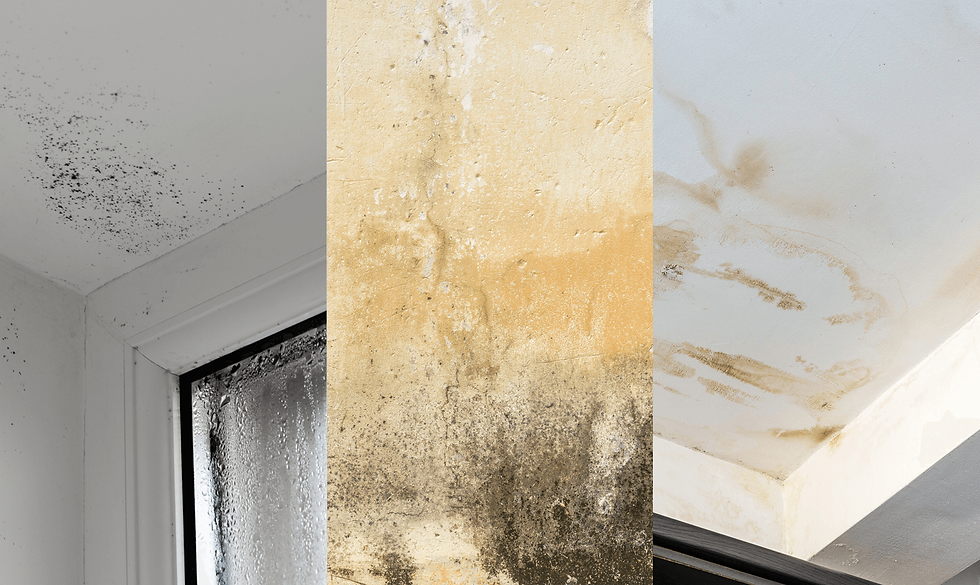
It’s tempting to rush once everything is patched up, but if the ceiling is even slightly damp, you’re asking for peeling.
Moisture trapped under paint will:
Create bubbles and blisters
Prevent proper bonding
Accelerate mold growth behind the surface
Pro Tip: After washing or priming, wait at least 24 hours and use a moisture meter to confirm the surface is dry before painting.
Using “Ceiling Paint” That Isn’t Mold Resistant

Don’t be fooled by labels. Most basic ceiling paints are:
Meant for low-traffic, dry areas like bedrooms
Flat (but not moisture resistant)
Lacking any anti-microbial protection
In bathrooms, that kind of paint turns into a mildew magnet. If the can doesn’t clearly say “bathroom-safe,” “mold-resistant,” or include antimicrobial properties, it’s not safe for your ceiling.
Believing Flat = Always Better for Ceilings
While flat paint can help hide imperfections, that doesn’t mean it’s the right choice for bathrooms, unless it’s specifically designed for moisture.
If the drywall isn’t mold-resistant, will paint alone work long-term?
No. Paint is only a surface-level defense. If you’re working with standard drywall or unsealed joint compound, you must use a mold-killing primer and follow it with a steam-tolerant topcoat like Aura Bath & Spa or Zinsser Perma-White.
Better yet? If your bathroom is being remodeled, consider upgrading to mold-resistant drywall (green board or purple board), especially in high-steam zones.
Not Addressing Poor Ventilation First

Paint is not a magic fix for bad airflow. If your fan is broken, underpowered, or never used, even the best paint will eventually lose the battle.
Before painting:
Ensure your exhaust fan works (and vents outside, not into the attic)
Upgrade to a humidity-sensor fan if mold is recurring
Crack a window or door after showers to help dry the room faster
Without ventilation, even premium mold-resistant paint systems will wear down over time, especially above showers or bathtubs.
Prep Is Just as Important as the Paint (Maybe More)

Ask any seasoned painter where most paint jobs go wrong, and they won’t start by blaming the product.
The biggest failures?
Bad prep. And when it comes to steamy bathroom ceilings, cutting corners before painting is a guaranteed recipe for peeling, bubbling, or mold infestation, regardless of how expensive the paint is.
Why ProSmart Never Paints Over Unclean or Damp Surfaces
Surface prep is our policy. Every ceiling is tested for moisture before paint ever touches a brush. Why? Because:
Steam makes ceilings naturally damp even when they appear dry
Moisture behind paint causes blistering and delamination
Mildew spores thrive in microscopic damp crevices, even on “clean” drywall
That’s why ProSmart crews refuse to paint over dirty, humid, or unsealed surfaces. Instead, they allow for proper drying, and use mold-killing primers to seal and sanitize the surface. It's part of the reason we offer Arizona’s only no-exclusions warranty, because we don’t leave mold to chance. To learn more contact us.

The Importance of Sanding, Cleaning, and Sealing
Before any paint goes up, a proper prep checklist includes:
Washing with a mild cleaner to remove oils, soap scum, or mildew
Sanding to knock down imperfections, skim coat edges, or prior peeling
Priming with a mold-resistant, adhesion-promoting base coat (like Kilz or Aqua Lock)
Even newer ceilings with no visible damage often have tiny contaminants that prevent paint from bonding well. That’s why ProSmart takes the extra time to prep properly, not just to make it look good, but to make it last.
The Extra Prep Needed for Popcorn Ceilings or Joint-Compounded Repairs
Popcorn ceilings are notorious moisture traps. Their uneven texture collects steam in pockets and makes cleaning nearly impossible. Before painting these:
ProSmart inspects for mold growth deep in the texture
Applies a bonding primer formulated to cling to textured ceilings
Uses extra coat coverage due to the surface irregularity
For bathrooms that have been patched or skim coated, especially around vents or corners, the stakes are even higher. Joint compound is porous, and unless sealed with a primer, it’ll pull moisture straight through your topcoat.
When to Call a Pro And What to Ask Before You Hire One

Painting a steamy bathroom ceiling isn’t beginner-level DIY. Between mold risk, ventilation issues, and surface prep that requires serious attention to detail, there are plenty of ways things can go sideways.
So how do you know when it’s time to call in a pro?
How to Vet for Bathroom-Specific Experience
Many painters are great with bedrooms, living rooms, and exteriors, but moisture-prone bathrooms are a different beast. You need a painter who understands the nuances of steam, not just how to cut in a ceiling line.
Here’s how to spot a pro for humid environments:
Ask if they:
Use mold-killing primer by default
Work with bathroom-specific paints (e.g., Benjamin Moore Aura, Zinsser Perma-White)
Test surfaces for moisture and adhesion
Include ventilation inspection or advice as part of their process
Offer written warranties, especially in steam-prone areas
When DIY Works and When It Doesn’t
DIY is fine if:
Your ceiling is in good condition
You understand how to prep, prime, and paint for moisture
You use the right materials and give yourself time
Call a pro if:
You’ve had repeated paint failures or mold growth
The ceiling has patches, joint compound, or past water damage
You want a long-lasting finish with zero guesswork
At the end of the day, you're not just buying paint, you’re buying time, peace of mind, and protection against future headaches. Choose a painter who understands that, or become one yourself.
The Paints That Stand Up to Steam, Mold & Time
Steamy bathrooms are a torture test for paint, and not all products make the cut. If you want your ceiling to stay clean, mold-free, and intact for years (not months), the answer is a complete system built for the environment.
Here’s a quick recap of the best-performing paints based on real-world use, insight, and steam-heavy scenarios:
Best Overall (For Steamy, Unventilated Bathrooms)
Benjamin Moore Aura Bath & Spa (Matte Finish)
Designed specifically for high-humidity areas
Washable matte finish hides imperfections
Works best over mold-resistant primer
Ideal for low ceilings and daily showers
Best All-in-One for DIYers
Zinsser Perma-White Mold & Mildew-Proof Paint
Built-in primer and mildew protection
Changes from pink to white to show coverage
Good for fast fixes and rental properties
Great for ceilings and walls in one go
Best Budget Option (Still Mold Resistant)
Behr Premium Plus Ultra (Satin or Semi-Gloss)
Affordable, widely available at Home Depot
Solid moisture resistance with proper primer
Suitable for guest baths or low-use bathrooms
Easy to apply and clean
Best Pro-Grade Durability
Sherwin-Williams Emerald or Duration Home
Long-term antimicrobial protection
Excellent adhesion, coverage, and finish options
Ideal for homeowners investing in longevity
Often used in high-end remodels and luxury rentals
Ready for Mold-Free Peace of Mind?
Your bathroom ceiling protects your home from hidden moisture, stubborn mold, and costly repairs down the line. So why trust it to basic paint and guesswork?
We combine prep, premium mold-resistant products, and a proven system built to last in Arizona’s toughest, steamiest bathrooms.
Get a Free Estimate Today. Let’s fix it right the first time.

Frequently Asked Questions (FAQ)
What kind of paint do you use in steamy bathrooms?
If they don’t name a product rated for moisture (not just “semi-gloss”), they’re not the right fit.
Do you use a mold-resistant primer?
Any painter who says it’s “not necessary” is cutting corners.
What finish do you recommend for my ceiling and why?
A pro should be able to explain the difference between matte, eggshell, satin, and gloss in terms of both function and appearance.
How do you handle popcorn ceilings or previous repairs?
This separates experienced professionals from generalists.
Do you offer a moisture inspection or guarantee?
Great pros check for dampness before painting, and stand behind their work if moisture later causes failure.


Comments