
How to Paint a House in Arizona: Rules, Process, and Pro Tips
In Arizona, where sun, dust, and strict HOAs collide, the smartest approach to house painting is one that respects the climate and the rules. Most pros agree: the best results come from following a proven process, not rushing it or cutting corners.
We’ve painted homes in this state long enough to know one thing for sure: Arizona doesn’t play around.
Between the triple-digit temps, stucco exteriors, surprise dust storms, and HOAs that’ll fine you for picking the wrong beige, painting a house here isn’t something you can just wing.
This isn’t like painting a bedroom wall on a Saturday.
Out here, if you don’t prep right, don’t use the right materials, or skip a step because it’s “just paint,” you’ll be repainting a whole lot sooner than you’d like.
And if you're not careful, you could even run into legal trouble. Yes, some homes do require permission before you lift a brush.
Whether you're thinking about tackling the job yourself or figuring out what to expect from a professional, this guide will walk you through it all, legally, structurally, and practically.
Not here to sugarcoat it. Just here to show you what actually works in Arizona. Let’s begin with understanding about licensing.
What’s the Right Way to Paint a House in Arizona?

Our climate, blistering heat, fine desert dust, monsoons, and relentless sun demand a level of preparation and process that most homeowners (and sadly, some contractors) don’t fully grasp.
If you want the paint to last more than a couple of seasons, you have to do it right from start to finish.
This step-by-step exterior painting process is what you need to understand before you even lift the brush.
1. HOA/Permit Clearance
Before you touch a drop of paint, check with your HOA or city; some neighborhoods require formal approval for color changes, and if you're in a historic district, you might need a permit.
Skipping this step could cost you fines and rework.
2. Pressure Washing to Remove Dust and Chalk
Desert dust doesn’t just sit on the surface; it embeds into stucco and blocks paint from bonding. I always recommend pressure washing at around 3,000 PSI to remove dirt, chalk, and any peeling remnants from old paint.
A clean surface is non-negotiable.
3. Crack Repairs & Stucco Patching
In Arizona, stucco cracks are inevitable. But here’s the deal: you don’t use caulk. That leaves visible lines that show through paint (we call it zebra striping).
It’s one of the most overlooked steps, and one of the most important.
4. Masking and Caulking (Windows, Trim, Landscaping)
Everything not getting painted should be masked off with plastic and blue tape, plants, patios, windows, you name it.
For gaps around trim or windows, a high-quality exterior caulk seals out moisture and dust. Even one missed crack can lead to peeling down the line.
5. Spray & Backroll Method – Why Spraying Alone Isn’t Enough
Spraying gets paint onto the wall, but it doesn’t push it into the stucco.
That’s why we always follow up with backrolling. A roller presses the paint into the grooves, improving adhesion and extending the lifespan of the finish. If you skip this step, your paint job will start breaking down way too soon.
6. Using Elastomeric Paint on Stucco
For homes with heavy texture or frequent cracking, elastomeric paint adds another layer of protection. It’s thicker, more flexible, and moves with the surface instead of cracking.
Just keep in mind that it must be applied correctly, or it can trap moisture. This isn’t beginner-level material.
7. Dry Time & Cure Time Management
Paint dries fast in our heat, sometimes too fast.
We avoid painting when the surface is over 90–100°F, because paint can flash-dry before it bonds, leading to adhesion failure. Early mornings and late afternoons are usually the best windows. And remember: drying isn’t curing.
Even after it feels dry to the touch, the paint needs days to fully harden.
Doing the job right in Arizona means respecting the process and not rushing through it. When paint fails, it’s rarely the product; it’s the prep. You have to understand that especially if you are flying solo with the paint project.
And if you’re wondering can you do it on your own, read on to gain the right perspective on the topic.
Helpful Resource → How the Sun Damages Exterior Paint In Arizona
License and DIY Painting: What You Need To Know (Pros and Cons of DIY)
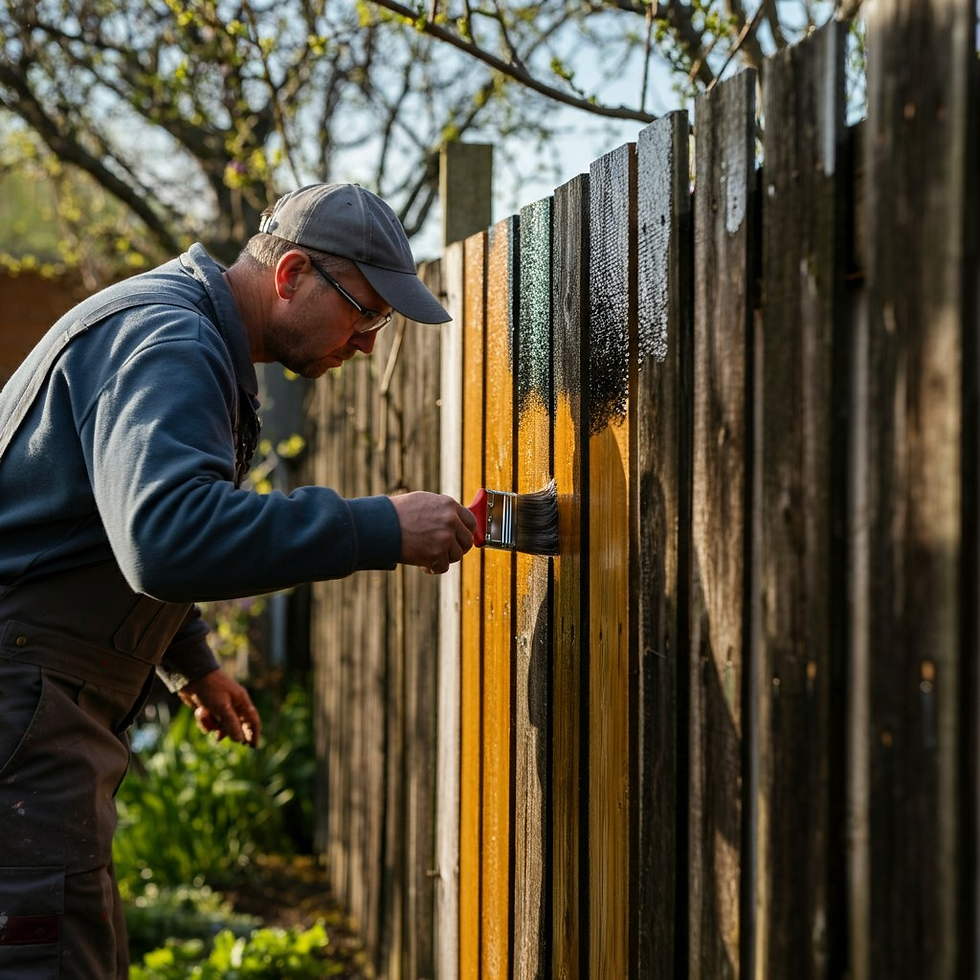
Arizona doesn’t require a license if you’re painting your own property, so you’re free to do it yourself. So if you’ve got the time, the tools, and the patience to take it on yourself, you're legally allowed to.
But just because you can doesn’t always mean you should. Let’s break it down.
Pros of DIY House Painting in Arizona
1. Cost Savings
Labor is often the biggest line item in any paint quote. By doing it yourself, you’re only paying for the materials and maybe a few tool rentals. If your budget is tight, going DIY may make the project feasible.
2. Total Control
Want to experiment with an accent wall or take your time to get every detail just right?
When you're the one holding the brush (or sprayer), you're in charge of the pace, finish, and final look. There's flexibility in working on your schedule.
Cons of DIY Painting
1. Arizona's Brutal Climate
Paint dries fast in 100+ degree heat, and not in a good way. It can skin over before it bonds, leaving you with lap marks, blistering, or early peeling. And if a dust storm rolls in while you're still working? Say goodbye to that smooth finish.
2. High Risk of Poor Adhesion
Most of the time, it comes down to poor prep. Skipping pressure washing, painting over chalky stucco, or using the wrong primer can all ruin a job before the first coat even dries.
3. Tools & Technique Matter
Painting a house, especially stucco, takes more than just a brush and a can of paint.
You need a power washer, scaffolding or ladders, proper caulking tools, and a sprayer if you’re going for efficiency. It’s easy to mess up and even dangerous if you mishandle it. What you’ll need if you go the DIY route:
Pressure washer
Elastomeric patch
Bonding primer
Drop cloths, plastic, tape
Sprayer + roller
Ladder or scaffolding
Time and patience
Forget any one of these and you’re gambling with your home’s exterior.
4. Not Understanding The Primer
A lot of homeowners think primer is optional, especially with those “paint and primer in one” cans.
But in Arizona, if you skip a proper bonding primer on chalky or sun-damaged stucco, your topcoat won’t stick, and the whole job will start failing within a year.
DIY painting can be done, but out here, it’s not a quick or easy win. If you're going to take it on, make sure you respect the prep. That’s where most DIY jobs fail.
When Is the Best Time to Paint a House in Arizona?
In Arizona, timing isn’t just a detail, it’s the difference between a job that lasts years and one that peels in months.
Out here, the calendar matters just as much as the color.
1. Best Seasons: Fall & Spring
Fall and spring are ideal for painting.
Temperatures stay within the sweet spot, between 50°F and 90°F, which allows paint to cure properly without drying too fast.
Fall clears the monsoon season, and spring beats the brutal summer heat, giving you just enough daylight and stable weather to get the job done right.
2. Why Summer Painting Is a Gamble
Yes, you can technically paint in summer, but you probably shouldn’t.
Surface temps can soar past 100°F by mid-morning, causing paint to flash-dry, leading to lap marks, weak adhesion, and early failure. Plus, working on ladders or rooftops in that heat isn’t just uncomfortable, it’s dangerous.
3. Early Mornings
Some folks try to beat the heat by starting at dawn. That gives you a short window before your walls turn into a frying pan, but it comes with risks: overnight condensation, uneven drying, and too little time to finish properly.
Unless you’re fast and experienced, it’s not worth the gamble, especially for full exteriors.
4. Don’t Forget Monsoons, Haboobs, and Night Temps
Monsoon season can bring sudden winds and rain that ruin masking or leave dust all over wet paint. Haboobs can bury fresh coats in grit. And painting late in the day risks overnight cooling, which causes condensation and streaking.
Bottom line: Arizona’s climate doesn’t forgive poor timing. Plan your paint job around the weather, or be prepared to do it twice.
Helpful Resource → Best Time to Paint a House in Arizona | Winter Or Spring?
Final Thoughts: How to Paint a House in Arizona, The Right Way
Painting a house in Arizona isn’t like painting anywhere else.
The desert climate, intense sun, dusty conditions, and strict HOA rules raise the bar for what it takes to get the job done right, and keep it looking good for years.
Whether you decide to tackle it yourself or hire a professional, success comes down to one thing: respecting the process.
That means starting with proper prep, pressure washing, patching, and priming, not skipping over the details.
It means choosing the right products for stucco and heat, understanding when to paint (and when not to), and applying paint in a way that stands up to Arizona’s extreme weather swings.
If you’re doing it yourself, be honest about the time, tools, and know-how it’ll take to avoid costly mistakes. And if you hire a pro, make sure they’re licensed, experienced in our climate, and committed to doing it right, not just fast.

A great paint job in Arizona isn’t just about color, it’s about protection, durability, and adding real value to your home. Do it once, do it right, and it’ll serve you well for years to come.
If you want it done right, the first time, by people who know Arizona homes inside and out, we’re here to help. Contact ProSmart Painting for a quote and let’s protect your home with a paint job built to last in the desert.


Comments